
So, you’re wondering what makes a tutor actually good, right? It’s not just about knowing the subject inside out, though that’s a big part of it. A truly effective tutor is a bit of a blend of a teacher, a mentor, and a really patient friend. They have a knack for making tricky stuff understandable, for spotting where you’re struggling, and for helping you build the confidence to tackle things yourself. Think of them as your personal learning guide, helping you navigate the sometimes-bumpy road of education.
This might seem obvious, but it’s worth hammering home. A good tutor possesses a solid grasp of the subject matter they’re teaching. But it’s not just about possessing the knowledge; it’s about being able to unpack it in a way that makes sense to you. They don’t just regurgitate facts; they understand the underlying principles and can connect them to concepts you already know.
Deep Subject Knowledge
This means they’ve not only studied the subject but have a genuine passion for it. This passion often translates into a deeper understanding and the ability to explain nuances that a textbook might gloss over. They can talk about the “why” behind the “what,” which is crucial for real learning.
Ability to Translate Complex Ideas
A fantastic tutor can take a complex theorem, a dense historical event, or a challenging scientific principle and break it down into digestible pieces. They’ll use analogies, real-world examples, and different ways of explaining things until you get it. They don’t assume you already have the background knowledge they do.
Staying Current
For subjects that evolve, like technology or science, a good tutor stays up-to-date. They’re not relying on outdated information, ensuring you’re learning the most relevant and accurate material.
When considering the qualities that define a good tutor, it’s essential to explore various aspects of effective teaching and learning dynamics. A related article that delves into the financial aspects of tutoring services can provide valuable insights into what makes a tutoring experience worthwhile. For more information on online tutoring pricing and how it relates to the quality of tutoring, you can read the article here: Online Tutoring Pricing.
Patience is More Than a Virtue; It’s a Necessity
Learning isn’t always a linear path. There will be moments when you feel stuck, frustrated, or like you’re not making progress. This is where a tutor’s patience truly shines. They won’t get flustered if you need to go over something multiple times, and they won’t make you feel silly for asking “basic” questions.
Non-Judgmental Approach
You should feel comfortable asking any question, no matter how small or seemingly obvious. A good tutor creates a safe space where you’re not afraid to admit what you don’t understand. They understand that everyone learns at their own pace and has different strengths and weaknesses.
When considering the qualities that define an effective tutor, it is essential to explore various perspectives on the topic. A related article that delves into the attributes of successful tutoring can be found at Growth Academy, where they discuss the importance of personalized approaches and the impact of a tutor’s enthusiasm on student learning. Understanding these elements can greatly enhance the tutoring experience for both students and educators alike.
Willingness to Re-explain
If the first explanation doesn’t click, they’ll try a different approach. They have a toolkit of methods and might switch from a verbal explanation to a visual one, or use a hands-on example. They’re committed to finding a way for you to grasp the material.
Encouraging Perseverance
When you’re tempted to give up, a patient tutor will gently encourage you to keep trying. They’ll remind you of your progress and offer strategies to overcome the challenge, rather than just telling you to “try harder.”
They Tailor Their Approach to You
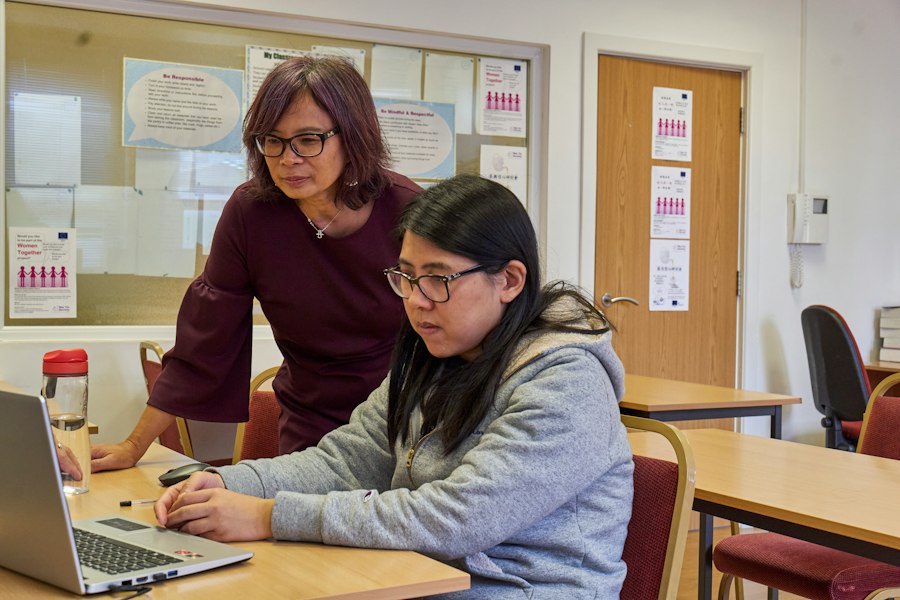
This is arguably the most critical quality. A good tutor understands that there’s no one-size-fits-all method to learning. They take the time to figure out your specific needs, learning style, and goals.
Identifying Learning Styles
Are you a visual learner? Do you learn best by doing? Or perhaps you thrive with auditory explanations? A good tutor will observe how you respond to different teaching methods and adapt their style accordingly. They might use diagrams, flashcards, role-playing, or group activities based on what works best for you.
Understanding Your Strengths and Weaknesses
They’ll actively try to identify what you’re good at and where you consistently struggle. This allows them to focus their efforts where they’re most needed, reinforcing your strengths while addressing your weak spots. They won’t just teach what they think is important; they’ll teach what you need to learn.
Setting Personalized Goals
A good tutor works with you to set achievable goals. These might be short-term goals, like understanding a specific chapter, or long-term goals, like improving your grade by a certain percentage. Having clear, personalized targets helps maintain motivation and provides a benchmark for progress.
Adapting to Your Pace
Some students fly through material, while others need more time to process. A good tutor will adjust the pace of the lesson to match yours. They won’t rush you through concepts you haven’t grasped, nor will they bore you by dwelling on things you already understand.
If you’re looking for a flexible job, consider tutoring as it allows you to set your own schedule. Many students benefit greatly from personalized tutoring sessions that cater to their individual learning needs. The demand for tutoring services in Sydney is on the rise, providing ample opportunities for educators.
They Build Your Confidence, Not Just Your Knowledge

Academics can be tough, and a lack of confidence can be a huge roadblock. A really effective tutor is as much about building your self-belief as it is about imparting information. They help you see your own potential.
Positive Reinforcement
When you get something right, they’ll acknowledge it. This isn’t just empty praise; it’s recognizing your effort and understanding. Positive feedback helps to solidify what you’ve learned and encourages you to continue.
Celebrating Small Wins
Learning is a journey, and every step forward is worth celebrating. A good tutor will help you recognize and appreciate your progress, no matter how small it seems. This can be as simple as saying, “See? You’ve really mastered that concept now!”
Empowering Independence
Ultimately, the goal of a good tutor is to help you become an independent learner. They want
APPLY for a Tutoring Role With Growth Academy
FAQs
What qualities make a good tutor?
A good tutor should have strong communication skills, patience, subject knowledge, adaptability, and the ability to motivate and inspire students.
Is experience important for a tutor?
Experience can be beneficial for a tutor as it helps in understanding different learning styles, effective teaching methods, and building confidence in their abilities.
How can a tutor create a positive learning environment?
A tutor can create a positive learning environment by being encouraging, providing constructive feedback, being approachable, and tailoring lessons to meet the individual needs of each student.
What role does feedback play in tutoring?
Feedback is crucial in tutoring as it helps students understand their strengths and areas for improvement, guides the tutor in adjusting their teaching methods, and fosters a collaborative learning relationship.
How can a tutor help students reach their academic goals?
A tutor can help students reach their academic goals by setting clear objectives, creating a structured study plan, offering guidance and support, and celebrating achievements along the way.